ISO8583 Switch 20089 views
TEST Card Generator & Validator
LuhnValidate
Never enter a real card number. Paste a test PAN to verify the Luhn check digit.
Generate
Pick a brand prefix and generate a Luhn-valid test number (random, unassigned).
All data on this page is for testing only — not real, cannot be used for purchases.
Full product: Cards Issuing Host
4430 4364 4802 8017
07/30
Michele Culton
563
What a payment card is
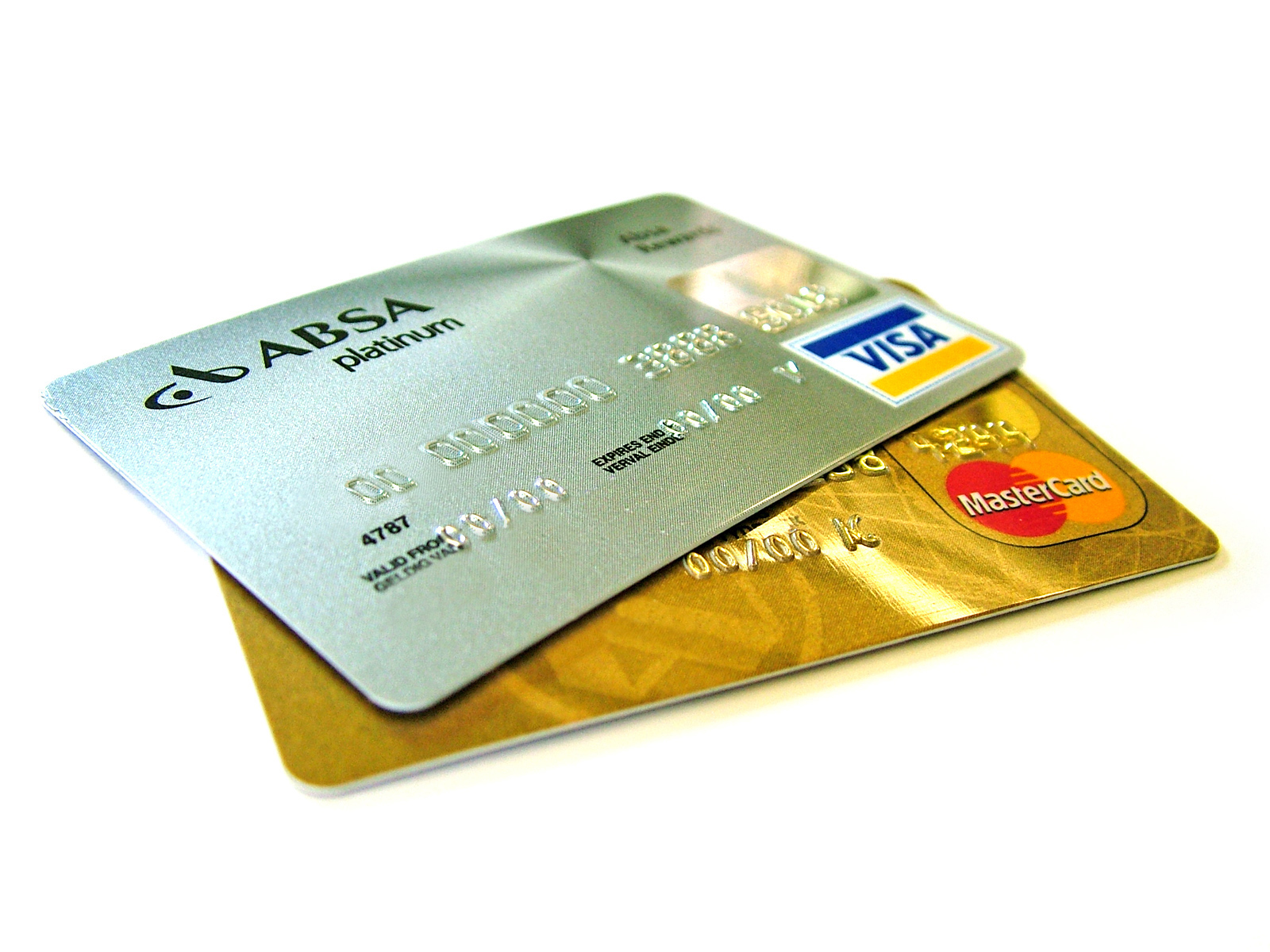
A payment card is a portable credential that identifies an account at an issuer (bank or scheme partner). The visible “card number” is the PAN (Primary Account Number), defined by ISO/IEC 7812.
- IIN / BIN — first 6–8 digits: issuer / brand range (e.g. Visa often starts with
4) - Account identifier — middle digits assigned by the issuer
- Check digit — last digit from the Luhn algorithm (ISO/IEC 7812-1)
PAN = [ IIN/BIN ] + [ account ] + [ Luhn check digit ] Example Visa: 4xxx xxxx xxxx xxxC
Physically
A typical embossed or printed card is a layered plastic body with several data carriers:
- Front print / embossing — PAN, name, expiry (MM/YY)
- Magnetic stripe (ISO 7813) — Track 1 & Track 2 for swipe / fallback
- EMV chip — secure element; cryptograms (ARQC), offline PIN, contact/contactless
- Signature panel + CVV2/CVC2 — printed code for card-not-present
- Contactless antenna — NFC / ISO 14443 for tap payments
How it works (data path)
At authorization time the terminal (or e‑commerce gateway) collects card data and builds a message — often ISO8583 — toward the acquirer → scheme → issuer.
- Read PAN (+ chip DE55 / track / keyed entry)
- Add amount, merchant, terminal, cryptogram or CVV as required
- Host validates format, Luhn (sometimes), BIN routing, fraud rules
- Issuer checks account, PIN/cryptogram, available funds → approve/decline
Card → Terminal/PSP → Acquirer → Scheme → Issuer
←——————— response (00/05/…) ←———————
Security codes & tracks
- CVV/CVC — derived for the stripe (service code + expiry + CVK)
- CVV2/CVC2 — printed; used online / MOTO (service code often
000in the formula) - iCVV / dCVV — chip / dynamic variants
- Track 2 — compact:
PAN=YYMM + service code + discretionary
This generator only builds Luhn-valid PANs plus mock expiry/CVV/name for display — it does not mint real CVKs or tracks.
How cards are used
Same PAN can travel through different acceptance channels:
- Card-present — chip (preferred), contactless, or magstripe fallback
- Card-not-present — e‑commerce / MOTO with PAN + expiry + CVV2, often 3‑D Secure
- Token / wallet — device PAN (DPAN) instead of the real account number
- ATM / cash — PIN + chip or stripe
- Recurring / COF — stored credentials with scheme mandates
Who touches the transaction
- Cardholder — owns the account
- Merchant / PSP — accepts payment, captures data
- Acquirer — merchant’s bank / processor
- Scheme — Visa, Mastercard, Amex, … routing & rules
- Issuer — cardholder’s bank; final approve/decline
Valid but not real
Processors reject numbers that fail the Luhn check. These generators produce check-digit–valid PANs so your test flow can proceed.
Do not use a real card for testing or on untrusted sites.
Numbers are random with brand prefixes — valid but unassigned, extremely unlikely to match a live account.
What you get
- Luhn-valid Visa / Mastercard / Amex / JCB / CUP / Diners / RuPay prefixes
- Validate an existing test PAN (or get the corrected check digit)
- Random expiry (~4 years out), CVV, and cardholder name on the mock plastic
Recent Articles on Cards
Tutorials 73286 views
Cards and Banks Training: Understanding the Core of Payment Processing
From BINs to brands, from POS terminals to the Bank, cards and card data is travelling from one place to another and everything is working in connecti ...Choose the product you need
Payments Simulation
Payments Integration